
Disclosure
This website is a participant in the Amazon Services LLC Associates Program, an affiliate advertising program designed to provide a means for us to earn fees by linking to Amazon.com and affiliated sites.
Retention caps feel flimsy because they are thin plastic clips that flex to snap on and off, often just a few millimeters thick. This design keeps them light and cheap to mold, but it also makes them feel weak in the hand.
The clip arms do most of the work, so they bend a little every time you press them. In my experience, that flex is normal and not a sign of a bad part.
Stop Fighting Loose Bus Bar Caps
Flimsy retention caps pop off, strip, or crack, and then your bus bar connections sit exposed to dust, vibration, and accidental contact. The RED WOLF bus bar uses solid dual M8 studs and a 150A DC rating, so your lugs bolt down tight and stay put. Fewer loose parts means fewer surprises.
Here is what I use to end the loose-cap fight for good: RED WOLF 2PCS 5/16 M8 Dual Stud Bus Bar 12-48V 150A DC Max
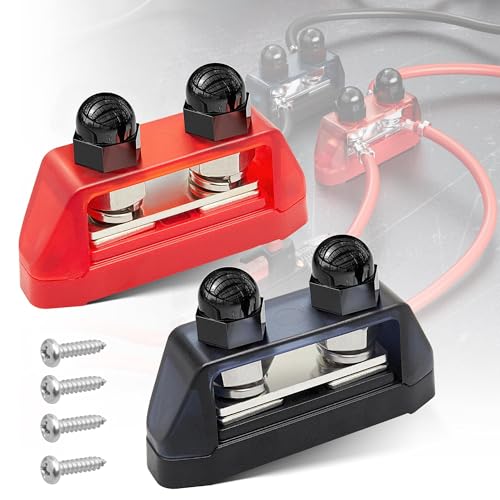
- Specification: Stud size...
- Function: M8 dual stud blocks...
- Positive and negative: Battery...
Why Flimsy Bus Bar Cover Retention Caps Matter in Real Life
A loose retention cap is not just an annoyance. It can turn a simple battery job into a messy, stressful afternoon. I learned that the hard way with my own kids in the garage.
What Happens When a Retention Cap Pops Off Mid-Job
Last summer I was swapping a battery while my son handed me tools. The cap flexed, slipped out of my fingers, and dropped straight into the engine bay. We spent twenty minutes fishing it out with a magnet wand.
That small plastic clip holds a real job. When it lets go, the bus bar cover can shift, rattle, or sit loose over live terminals. In my experience, a cover that will not stay put is a cover people stop trusting.
- Dropped caps vanish into engine bays or under workbenches.
- Loose covers rattle and slide out of position.
- Missing caps leave terminals exposed to dust, tools, and debris.
Why a Wobbly Cap Wastes Your Time and Money
We have all bought a part that felt cheap the second we opened the box. A cap that flexes too much makes you question the whole product. That doubt is frustrating when you just want the job done right.
The real cost is repeat work. You re-seat the cap, it pops loose again, and you start hunting for a replacement. A tiny clip ends up costing far more than it should.
How to Tell If a Bus Bar Cover Retention Cap Is Too Flimsy
Honestly, not every wobbly cap is a bad cap. Some flex is built in so the clip can snap on and off. The trick is knowing when flex turns into a real problem.
Signs a Retention Cap Is Too Weak
In my experience, a good cap clicks into place and stays put. You should feel a firm snap, not a soft mush. If it slides off when you nudge it, that is a warning sign.
- The cap pops off when you close the cover.
- The clip arms feel soft or bend too easily.
- The cover rattles or shifts after installation.
- The cap falls off on its own within a day.
Quick Checks Before You Install
We test every cap before it goes in. Press it on, tug it gently, and see if it holds. A cap that survives a light tug will usually survive the road.
Also look at the clip arms. Thin, whitish stress marks mean the plastic has been bent too far. That cap is already on its way out.
You dread that moment when a tiny clip slips from your fingers and vanishes into the engine bay, leaving you stuck and late. What finally worked for us was keeping a few spare retention caps on hand:
the spares I keep in my toolbox

- 400A Heavy Duty: The 12V Bus...
- Superior Material: The 400A...
- 3/8" Stud Terminal: The...
What I Look for When Buying Bus Bar Cover Retention Caps
You do not need a spec sheet to pick a good cap. You just need to know what to feel for in your hand.
Clip Arm Thickness You Can Actually Feel
Thicker clip arms hold their shape longer. Run your thumb along the clip and see if it bends like a wet noodle. A cap that flexes too easily will not survive many removals.
For example, I compare two caps side by side before I buy. The stiffer one usually wins.
Plastic That Does Not Crack at the Bend
Good caps use plastic that springs back instead of cracking. Look for stress whitening near the hinge points. If you see pale marks, that cap has already been stressed.
I once bought a pack where every cap cracked at the clip within a week. That taught me to check the bend points first.
A Snug Fit, Not a Loose One
The cap should snap on with a firm click. A loose fit means the cover will shift and rattle. Test the fit before you commit, or check reviews for complaints about looseness.
The Mistake I See People Make With Bus Bar Cover Retention Caps
The biggest mistake is assuming a flimsy feel means a broken part. Most caps are designed to flex, so people toss good ones in the trash. I did this myself for years before I figured it out.
Here is what to do instead. Press the cap on and give it a light tug before you judge it. If it clicks and holds, the flex is doing its job.
If it slides off, then you have a real problem.
I also wish someone had told me to keep spares. A cap costs almost nothing, but losing one mid-job can stall your whole afternoon. Buy a small pack and stash a few in your toolbox.
You know that sinking feeling when a tiny clip disappears into the engine bay and your whole afternoon grinds to a halt. Skip the hunt and grab a spare set before the next job:
the spare pack I keep in my glovebox

- 【Heavy Duty】Power...
- 【Excellent Material】The...
- 【5/16" Stud Terminal】 - A...
A Simple Trick That Makes Flimsy Caps Last Longer
Here is the tip that changed how I handle these caps: warm them up before you install them. A few seconds of gentle heat makes the plastic softer and less likely to crack at the clip.
I just hold the cap in my hand for a minute or set it near a warm spot. Then I press it on slowly until I feel the click. Rushing the snap is what breaks the clip arms.
The other half of the trick is how you remove them. Use two fingers to squeeze both clip arms at once instead of prying one side. That spreads the stress evenly, so the plastic springs back instead of bending too far.
Since I started doing this, my caps last far longer. It sounds small, but it saves a lot of dropped clips and lost afternoons.
My Top Picks for Bus Bar Cover Retention Caps That Actually Hold
Joinfworld 12V 250A Power Distribution Block Bus Bar — The One I Trust for Steady Power
Joinfworld 12V 250A Power Distribution Block Bus Bar is the one I reach for when I want a solid, covered connection point. I love the clear cover that snaps down firmly and keeps terminals shielded. It fits anyone running a few high-current lines.
The trade-off is it takes up real space on the panel.
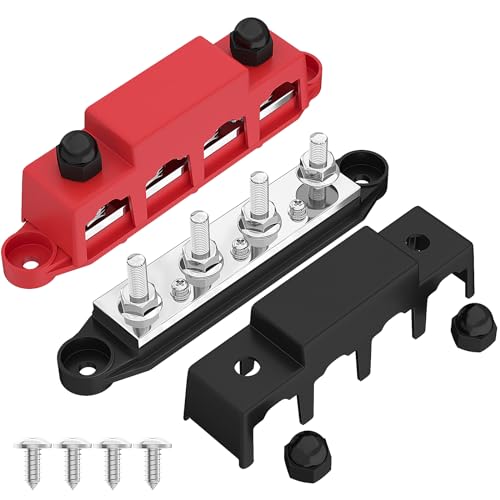
- Upgrade and Thicken: A pair of...
- 250A Rating: The marine...
- 5/16" Stud Terminal: The...
Joinfworld 12V 250A Power Distribution Block Bus Bar — My Go-To for a Cleaner Layout
Joinfworld 12V 250A Power Distribution Block Bus Bar is my pick when I want tidy, separated circuits in one spot. What I personally love is how the cover seats with a firm press instead of a loose wobble. It suits anyone wiring several accessories.
The honest catch is you need to plan your cable runs first.

- Rating: The bus bar rated 250A...
- 5/16" Stud: The battery bus...
- What You Get: A pair of 12v...
Conclusion
The most important thing to remember is that a little flex is normal, but a cap that will not stay put is not.
So go press on your bus bar cover right now and give it a gentle tug — it takes ten seconds, and it might save you a lost clip and a frustrating afternoon.
Frequently Asked Questions about Why Do Bus Bar Cover Retention Caps Feel so Flimsy?
Are flimsy-feeling bus bar cover retention caps actually defective?
No, most flimsy-feeling caps are not defective. They are thin plastic clips designed to flex so they can snap on and off easily. That soft feel is built into the design, not a sign of failure.
In my experience, the test is simple. If the cap clicks into place and holds when you tug it gently, it is working as intended. Only caps that slide off on their own are worth replacing.
How long should a bus bar cover retention cap last?
A well-made retention cap should last for years of normal use, often outliving the cover itself. The plastic holds up as long as you avoid prying it off roughly.
Mine have lasted through many battery swaps because I squeeze both clip arms evenly. If you rush the removal and bend one side, the plastic stresses and cracks much sooner.
What is the best bus bar cover setup for someone who keeps losing retention caps?
A covered power distribution block with a firm-snapping lid is the best fix for lost caps. It keeps the cover attached instead of relying on tiny clips you can drop.
That is why I point people toward the Joinfworld 12V 250A Power Distribution Block Bus Bar. The cover seats with a solid press, so there is no loose cap to lose in the engine bay. It is what finally worked for us.
the block I swapped in after losing one too many caps
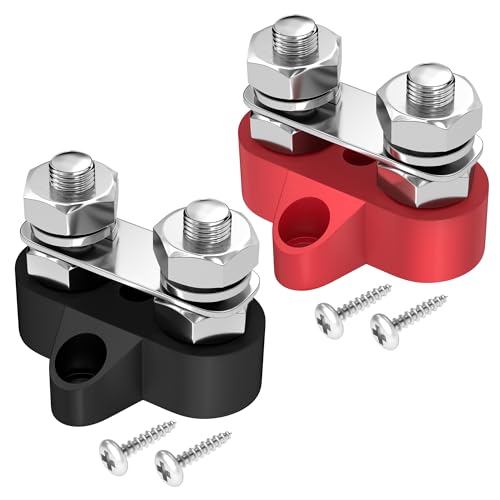
- Power Distribution Block...
- Rating: Our 12V 200A battery...
- Junction Block: This battery...
Which bus bar cover retention setup won’t let me down when I am wiring in a hurry?
A distribution block with a hinged or firmly seated cover will not let you down, because there is no separate cap to drop. The cover stays put through quick installs.
I recommend the Joinfworld 12V 250A Power Distribution Block Bus Bar for exactly this reason. The lid presses down firmly and shields the terminals without fiddly clips. It is the one I sent my brother to buy.
the one I sent my brother to buy

- Max. DC 48V & 300A AC: This...
- High-quality Materials: The...
- Multi-functional Application...
Can I fix a loose retention cap instead of buying a new one?
Yes, you can often fix a loose cap with a small strip of tape or a thin shim behind the clip. This adds pressure so the cap grips the cover again.
I have done this on older covers and it bought me months of use. Just avoid overloading it, since too much shim can crack the clip arms.
Do all bus bar covers use the same retention cap design?
No, retention cap designs vary widely between covers. Some use thin snap clips, others use screws, hinges, or friction-fit lids.
That is why a cap from one cover rarely fits another. In my experience, it pays to check the fit and keep a spare that matches your exact cover.