
Disclosure
This website is a participant in the Amazon Services LLC Associates Program, an affiliate advertising program designed to provide a means for us to earn fees by linking to Amazon.com and affiliated sites.
A battery lifter is incompatible with some RV batteries because those batteries exceed the lifter’s rated weight or size limits, or use terminal layouts and case shapes the lifting straps cannot grip safely. Common mismatches include tall 8D cases, oversized lithium banks, and side-terminal designs.
I always check the battery’s weight rating and case dimensions before trusting a lifter with it. When the fit is close, I slide a thin board under the battery or use a strap-style puller instead. That small step has saved me from a dropped battery more than once.
When Your Battery Won’t Fit
Some RV batteries are too tall, too wide, or have awkward terminal layouts that make standard lifters slip or fail to grip. The MorningRo Universal Car Battery Carrier Lifter Tool uses an adjustable clamping design that fits a wider range of battery sizes, so you get a secure hold instead of fighting a tool that doesn’t match your setup.
This is the lifter I switched to after my old one kept slipping on my taller RV battery: MorningRo Universal Car Battery Carrier Lifter Tool
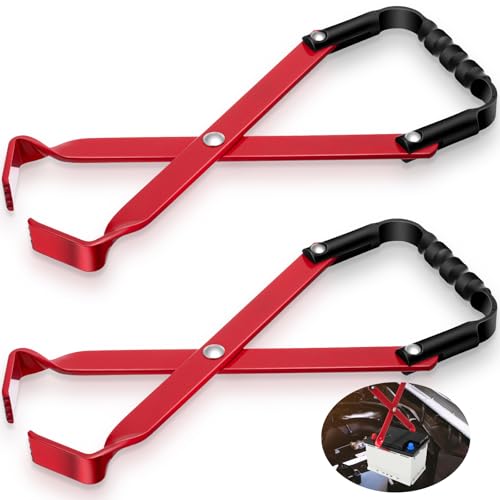
- Versatile Battery Carriers...
- Suitable Size and Flexibility...
- Sturdy Construction: crafted...
Why a Battery Lifter Mismatch Costs You More Than You Think
A bad battery lift is not just annoying. It can cost you a cracked battery, a hurt back, or a weekend trip cut short. I learned this the hard way, and I still wince thinking about it.
A few years ago, I tried to pull a heavy flooded battery out of our camper with a lifter that felt “close enough.” Halfway up, the strap slipped. The battery dropped, the case cracked, and acid leaked onto the tray. That one mistake cost me a new battery and a full afternoon of cleanup.
What Happens When the Lifter Does Not Fit
When the fit is wrong, the risk shows up fast. The battery tilts, the grip fails, or the tool bends under the load. Any of these can turn a simple swap into a mess.
- Cracked battery cases and leaked acid
- Strained backs and pinched fingers
- Wasted money on a tool that never worked
- Ruined trips when the battery fails on the road
Why I Check Fit Before Every Swap
Now I test the grip on a dry run before lifting anything heavy. I also check the weight rating and case shape against the battery I actually own. It takes two minutes and saves real grief.
The frustration is real, especially when a kid is waiting to head out and the battery will not budge. A tool that does not fit turns a quick job into a bad memory.
How to Match a Battery Lifter to Your RV Battery
Honestly, the fix is simpler than I expected. You just need to compare a few numbers before you buy or lift. Here is what worked for us.
Check Weight Rating and Case Size First
Start with the battery’s weight and dimensions. Most RV batteries list both on the label or in the manual. If the lifter’s rating is lower than the battery’s weight, walk away.
I also measure the case height, because tall 8D batteries often exceed the strap span. A tape measure takes ten seconds and tells you a lot.
Look at Terminal Layout and Case Shape
Side-terminal batteries and odd case shapes are the usual troublemakers. Straps need a clean edge to grip, and rounded or ribbed cases slip easily.
- Flat, square cases grip best
- Side terminals can block the strap path
- Ribbed or rounded cases slip under load
- Tall cases need extra clearance above
Test the Grip Before You Lift
Do a dry run with the battery still in the tray. Lift just an inch and watch for tilt or slipping. If it shifts at all, stop and try a different approach.
You keep picturing that battery slipping and cracking on the tray, and the cleanup that follows. You do not have to gamble on fit if you grab the strap puller I sent my brother to buy, which handles the shapes that trip up basic lifters:

- Use to lift and install most...
- Designed to transfer lifting...
- Teeth on the jaws offer a...
What I Look for When Buying a Battery Lifter for RV Batteries
After my cracked-battery lesson, I shop differently now. These are the four things I check before spending a dime.
A Weight Rating Above Your Heaviest Battery
Look for a rating that clears your biggest battery with room to spare. If your battery weighs 60 pounds, do not buy a lifter rated for exactly 60. I always leave a buffer, because straps weaken over time and a little margin keeps the lift steady.
Grip That Handles Your Case Shape
Check how the lifter grips the case, not just how much it can hold. Flat, square cases are easy, but ribbed or rounded cases need a strap or clamp that bites in. My neighbor’s ribbed lithium case slipped right out of a basic hook-style lifter, so he switched to one with a wider strap.
Clearance for Tall Batteries
Tall cases need enough room above the battery to clear the tray lip. Measure the height before you buy, then compare it to the lifter’s opening. I learned this after a tall 8D battery scraped the tray on every lift.
Simple, Safe Controls
You want a grip that locks and releases without pinching your fingers. Test it in the store if you can, or read reviews about the release mechanism. A stiff latch sounds small until you are holding 60 pounds and fumbling for a grip.
The Mistake I See People Make With Battery Lifters
The biggest mistake I see is people buying a lifter by weight rating alone. They check the number, see it matches, and assume it will work. Then the strap slips on a ribbed case and the battery drops.
I made that exact mistake. My first lifter was rated for the weight, but the grip was too narrow for the case. Weight tells you half the story.
Fit tells you the rest.
Instead, measure your battery first. Write down the weight, the height, and the case shape. Then match all three to the lifter before you buy.
If a listing only shows a weight rating, keep looking. I wish someone had told me that years ago, because it would have saved me a battery and a bad afternoon.
You keep worrying that the strap will slip mid-lift and leave you with a cracked case and acid everywhere. You can skip that gamble with the gripper I wish I had bought first, which holds the wider cases that basic lifters drop:

- Practical Function: The auto...
- High Quality: The main part of...
- Adjustable Opening: The car...
Measure the Case, Not Just the Weight — It Saves You a Broken Battery
Here is the tip that changed how I shop: measure the case shape before anything else. Two batteries can weigh the same and still need totally different lifters. The weight rating tells you if it can hold the load, but the case shape tells you if it can grip it at all.
My aha moment came when I lined up three batteries on my bench. Same weight, three different shapes. The flat one lifted easy.
The ribbed one slipped. The tall one scraped the tray. That is when I stopped trusting the number on the box.
So grab a tape measure and a piece of paper. Write down the height, the width, and whether the case is flat, ribbed, or rounded. Bring that note with you when you shop.
It takes two minutes, and it turns a guessing game into a sure thing.
My Top Picks for Lifting RV Batteries Safely
QWORK Battery Lifting Strap T105 Compatible 2 Pack — The Simple Two-Strap Fix
The QWORK Battery Lifting Strap T105 comes as a two-pack, and I like that you get a spare right away. The straps grip flat, square cases well and pack down small in my toolbox. It is perfect for standard flooded batteries.
The trade-off is that ribbed or rounded cases can slip, so check your shape first.
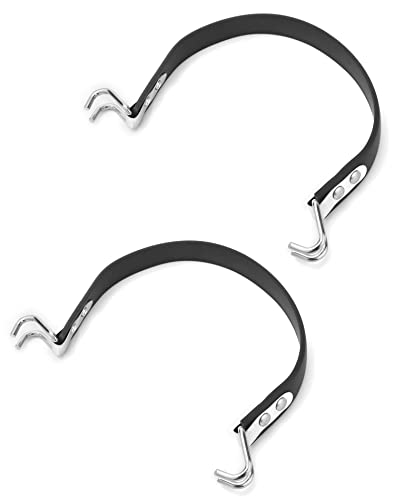
- Strap-type battery holder.
- Fit EZ-GO vehicles equipped...
- Compatible with all Trojan...
Rebvugr Heavy Duty Metal Car Battery Carrier Strap Lifter — The Stronger Grip for Heavy Cases
The Rebvugr Heavy Duty Metal Car Battery Carrier Strap Lifter feels sturdier in my hand, and the metal frame holds heavy cases with less flex. I reach for it when a battery is tall or awkward to grab. It suits bigger RV batteries well.
The honest trade-off is that it takes more room to store than a soft strap.
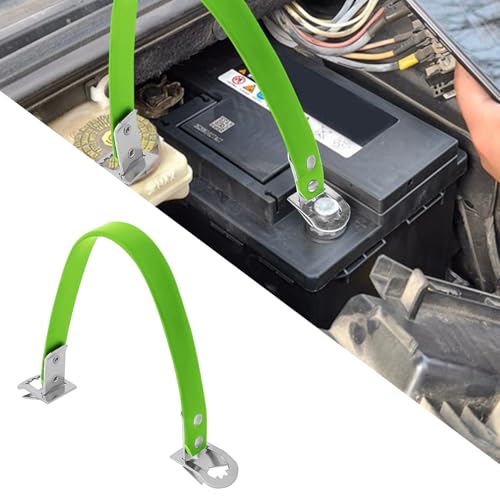
- [Good material] : This battery...
- [Utility function] : This...
- [Range of use] : This car...
Conclusion
The one thing worth remembering is that fit matters more than the weight rating alone, so check the weight, height, and case shape together.
Go measure your RV battery right now and jot down those three numbers — it takes two minutes and it might be the reason your next lift goes smooth instead of sideways.
Frequently Asked Questions about Why is a Battery Lifter Incompatible with Some RV Batteries?
Why does a battery lifter fit one RV battery but not another?
Battery lifters fail on some RV batteries because case shape, height, and weight vary widely between models. A lifter built for a flat, square case often cannot grip a ribbed or rounded one.
Tall 8D cases also exceed the strap span on many lifters. In my experience, the weight rating matches but the grip does not, and that is where the trouble starts.
Can I use a car battery lifter on an RV battery?
Yes, a car battery lifter can work on an RV battery if the weight rating and case shape both match. Many RV batteries are larger and heavier than car batteries, so check both numbers first.
I always compare the battery’s weight and dimensions to the lifter’s limits. If the RV case is taller or wider, a standard car lifter may slip or bend under the load.
What is the best battery lifter for someone who needs to pull a heavy RV battery safely?
The best choice is one rated well above your battery’s weight with a grip that matches your case shape. A metal-frame carrier holds heavy, awkward cases with less flex than a soft strap.
I reach for a sturdy metal carrier when a battery is tall or hard to grab. If you want the one that finally worked for me on heavy cases, the carrier I keep in my toolbox has held up well:
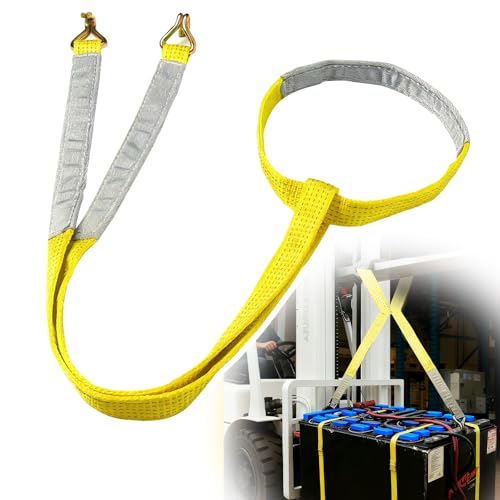
- High Load Capacity Industrial...
- Durable 2-Ply Recycled...
- Protective Vinyl-Coated Hooks...
How do I know if my battery lifter is safe to use?
Do a dry run before lifting the battery fully. Lift just an inch and watch for tilt, slipping, or flex in the straps.
If anything shifts, stop and try a different approach. I also check the straps for wear each season, because a frayed strap can fail without warning.
Which battery lifter won’t let me down when my RV battery case is ribbed or rounded?
A wider strap or clamp-style lifter grips ribbed and rounded cases far better than basic hook-style lifters. Narrow straps tend to slide on textured plastic under load.
I learned this after a ribbed case slipped out of a simple strap. If your case is textured, the gripper I wish I had bought first bites in where basic straps let go:
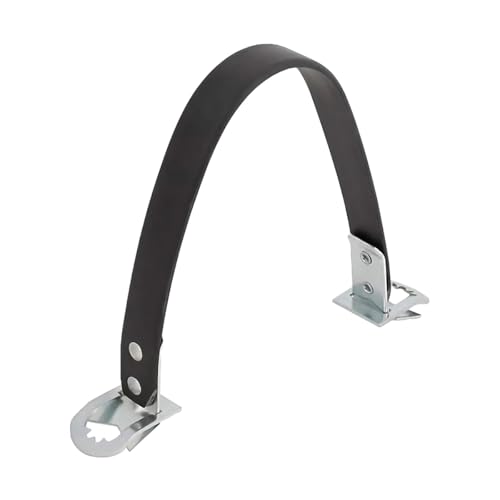
- 【High Quality Material...
- 【Practical Function】: This...
- 【Easy Operation】: This car...
What should I measure before buying a battery lifter?
Measure three things: the battery’s weight, its height, and its case shape. Write them down before you shop, because the weight rating alone does not tell the full story.
I keep those numbers on a note in my phone for each battery we own. It takes two minutes and turns a guessing game into a sure thing.