
Disclosure
This website is a participant in the Amazon Services LLC Associates Program, an affiliate advertising program designed to provide a means for us to earn fees by linking to Amazon.com and affiliated sites.
Shrink wrap that is too large for the leads on a battery terminal connector can be fixed by adding a short length of smaller heat-shrink tubing underneath, or by building up the lead with electrical tape before shrinking the outer sleeve. The goal is a snug, sealed fit that grips the wire and the connector lug tightly.
I keep a few sizes of adhesive-lined tubing in my toolbox for exactly this reason. Slide the oversized piece on first, wrap two or three tight layers of tape around the lead, then shrink the sleeve down so it seals against the tape instead of hanging loose.
Stop Fighting Loose Shrink Wrap
When your shrink wrap is too big for the lead, it slides around and never seals tight. The DLronwey Military Spec Battery Terminal Connectors give you a solid, properly sized base so the wrap grips the right surface. The snug military-spec fit means less gap to fill and a cleaner connection every time.
What ended the guesswork for me: DLronwey Military Spec Battery Terminal Connectors

- Performances:Military heavy...
- Details:One storage case...
- Field:Clearly labelled with...
Why Loose Shrink Wrap on Battery Terminal Leads Is a Real Safety Risk
A loose sleeve is not just sloppy. It lets moisture and acid creep onto bare wire, and that is where corrosion starts. I learned this the hard way on my boat battery.
One winter I wrapped a terminal lead with tubing that was too big. It looked fine at the time. By spring, green crust had crawled under the sleeve and the connection was weak.
What Happens When Shrink Wrap Does Not Seal the Lead
Shrink wrap only protects when it grips tight. If it sits loose, it becomes a trap for water and salt. That trapped moisture eats the copper from the inside.
Here is what a poor seal can cause:
- Corrosion that hides under the sleeve until the wire fails
- A weak connection that makes the engine crank slowly
- Frayed strands that can short against nearby metal
- A loose lead that wiggles free on bumpy roads
Why It Costs You Time and Money
I once watched a neighbor buy a whole new cable because his old one kept dying. The real problem was a loose sleeve letting acid in. He spent money on the wrong fix.
A bad connection also frustrates kids and helpers. I have seen my son struggle to start a dirt bike because of a corroded lead. A snug seal would have saved that whole afternoon.
How to Make Oversized Shrink Wrap Fit a Battery Terminal Lead
Honestly, the fix takes about five minutes once you know the trick. I use a build-up method that works on almost any lead. It has saved me from buying new tubing more than once.
Build Up the Lead with Tape or Smaller Tubing
Start by sliding the oversized sleeve onto the wire first. Then wrap electrical tape around the lead until it feels snug inside the sleeve. Two or three tight layers usually do it.
For a cleaner result, slip a short piece of smaller tubing over the lead first. Shrink that down, then slide the big sleeve over it. The smaller piece acts as a filler so the outer wrap grips tight.
Choose Adhesive-Lined Tubing for a Better Seal
Adhesive-lined tubing is my go-to for battery work. When it shrinks, the glue melts and fills the gaps. That gives you a watertight seal even when the fit is not perfect.
- Use a heat gun on low, not a lighter — even heat avoids scorching
- Keep the flame or nozzle moving so the sleeve shrinks evenly
- Let it cool fully before you tug on the lead
- Trim any excess tape so the sleeve sits flat
You know that nagging worry that a hidden corroded lead will strand you somewhere? That fear is real, and it costs people real money in tow bills and replacement cables. What finally worked for us was keeping a small kit of adhesive-lined tubing on hand.
If you want the same peace of mind, here is what I grabbed for my own toolbox:
what I grabbed for my own toolbox

- 1 Pair of military spec...
- Made of brass, + and - are...
- Used for battery extension...
What I Look for When Buying Heat-Shrink Tubing for Battery Leads
After years of trial and error, I keep it simple. You only need to check a few things before you buy.
Shrink Ratio: Get the Right Fit
The shrink ratio tells you how much the tubing will shrink when heated. A 2:1 or 3:1 ratio gives you room to cover oversized leads. I once bought a 2:1 roll and it saved me on a lead that was just a bit too thick.
Adhesive Lining: The Hidden Seal
Adhesive-lined tubing melts glue as it shrinks, sealing out water and acid. Plain tubing leaves gaps you cannot see. On my boat battery, the lined version lasted years longer than the plain one.
Wall Thickness: Tough Enough to Last
Thicker walls resist cuts, heat, and vibration better. Thin tubing tears easily around sharp terminal edges. I always feel the tubing between my fingers before buying — if it feels flimsy, I skip it.
Size Range: Buy a Small Assortment
No single size fits every lead, so a small mixed pack beats one big roll. That way you always have a snug fit on hand. My toolbox kit has three sizes, and I rarely need anything else.
The Mistake I See People Make With Oversized Shrink Wrap on Battery Leads
I wish someone had told me this earlier: people try to shrink oversized tubing by heating it longer. That never works. The sleeve just gets hot and stays loose.
Shrink wrap only shrinks so far. Once it hits its limit, more heat does nothing except melt or scorch it. I learned that after ruining a sleeve on my truck battery.
The tubing curled at the edge and never sat flat again.
What you should do instead is build up the lead first. Wrap tape or add a smaller sleeve underneath, then shrink the big one over it. You get a snug grip without cooking the tubing.
Also keep your heat source moving — even heat beats a hot spot every time.
You know that sinking feeling when a connection fails on a cold morning and you are stuck? It costs you time, a tow, and maybe a new cable. That is exactly why I stopped guessing and started keeping the right tubing on hand.
Here is what finally worked for me:
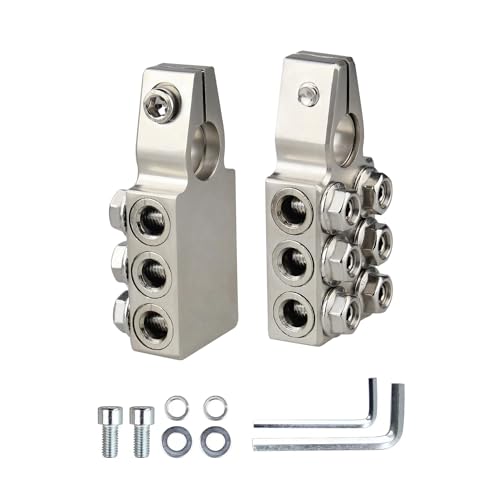
- 【12-Way Power...
- 【Zinc Alloy...
- 【Wide Voltage Range...
A Trick That Makes Oversized Tubing Grab Tight Every Time
Here is the tip that changed how I do this job: shrink the tubing in two stages. Heat it lightly first, let it cool, then check the fit. If it still feels loose, slide it off, add another layer of tape, and shrink again.
Why does this work so well? Shrinking slowly lets the sleeve settle evenly around the lead. When I rush it with one hot pass, the tubing bunches on one side and leaves a gap on the other.
Two gentle passes give a smooth, tight grip.
My other favorite trick is to leave a tiny tail of tape sticking out past the sleeve. Once it cools, I trim the tape flush with the tubing edge. That little step keeps the sleeve from creeping back and exposing bare wire.
I wish I had known this years ago — it would have saved me a few corroded leads.
My Top Picks for How to Fix Shrink Wrap Too Large for Leads on a Battery Terminal Connector
Vgate 8-Way Battery Terminal Block for Lithium AGM — Clean Power for Multiple Leads
The Vgate 8-Way Battery Terminal Block is what I reach for when one battery has to feed several leads at once. I love that it gives each connection its own solid landing point, so nothing sits loose. It suits anyone wiring lights, chargers, or accessories off one battery.
The trade-off is that it takes up more room than a single connector, so plan your space first.
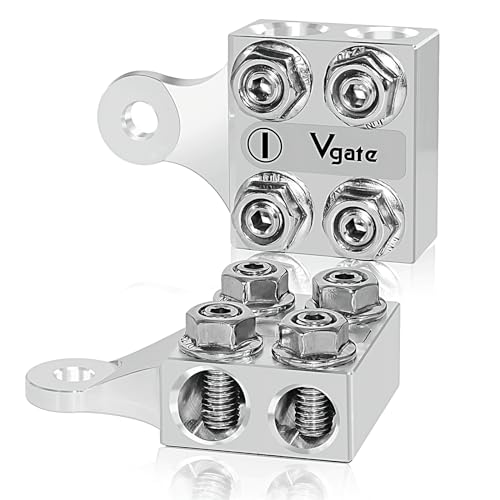
- - Vgate 8-Way Battery...
- - For Post Size: M8 or...
- - Compact Size: Smaller size...
DLronwey Military Spec Battery Terminal Connectors — Tough Clamps That Hold Tight
DLronwey Military Spec Battery Terminal Connectors are the ones I trust when vibration and weather are the enemy. I really like how firmly the clamps grip the post, which keeps leads from wiggling loose over time. They are a great fit for trucks, boats, and off-road rigs that take a beating.
The honest catch is that the heavy build feels bulky on tight small-battery setups.
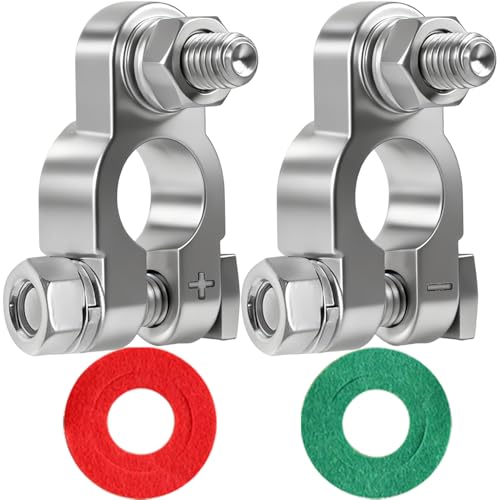
- Performance: The heavy-duty...
- Product Details: 2 heavy-duty...
- Field:Clearly labelled with...
Conclusion
The single most important thing to remember is that a snug fit matters more than the size on the label. Build up the lead first, then shrink the sleeve over it.
So go grab your battery lead and a roll of tape right now — five minutes of work today could save you a corroded connection and a dead battery later.
Frequently Asked Questions about How to Fix Shrink Wrap Too Large for Leads on a Battery Terminal Connector?
Can I just use electrical tape instead of shrink wrap on a battery lead?
Yes, electrical tape works as a temporary fix, but it will not last as long as heat-shrink tubing. Tape loosens with heat and vibration, and acid slowly breaks down the adhesive.
I have used tape on the road when nothing else was handy. It got me home, but I replaced it with proper tubing within a week. Tape is a patch, not a permanent seal.
How do I stop shrink wrap from sliding off a battery lead?
Build up the lead underneath so the tubing has something to grip, and leave a small tape tail past the sleeve edge. When the tubing cools, trim that tail flush and it locks the sleeve in place.
I also make sure the sleeve overlaps the connector lug by a little. That overlap gives the tubing an edge to hold onto. Without it, the sleeve creeps back over time.
What is the best shrink wrap fix for someone who needs a lasting seal on a boat battery?
Adhesive-lined tubing is the best choice for a lasting seal because the melted glue fills gaps and keeps moisture out. Plain tubing leaves tiny channels where salt water and acid can sneak in.
For marine work, I always pick the lined kind. That is why I point friends toward what I grabbed for my own toolbox when they want a seal that survives the water.

- HEAVY DUTY BATTERY TERMINAL...
- 12-Way BATTERY CONNECTORS: 6 x...
- TAPERED POST TERMINAL TYPE...
Will a heat gun or a lighter work better for shrinking oversized tubing?
A heat gun works better because it delivers even heat without scorching the sleeve. A lighter concentrates heat in one spot and often burns or curls the tubing edge.
If you only have a lighter, keep it moving and hold it farther away. I learned that after melting a sleeve on my truck. Slow, even warmth always gives a cleaner shrink.
Which battery terminal connectors won’t let me down when the road gets rough?
Heavy-duty clamps with a firm grip are the ones that hold up on rough roads, since they resist vibration and stay tight on the post. Loose clamps are the main reason leads wiggle free on bumpy drives.
I recommend the ones I sent my brother to buy for anyone driving trucks or off-road rigs. They clamp down hard and keep your sealed leads exactly where they belong.
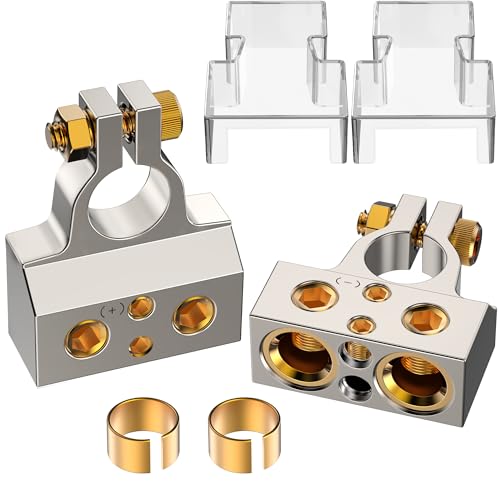
- Multi-Port Hub for 12V...
- Zinc Alloy with Nickel...
- Snug Fit for Standard & Worn...
Does oversized shrink wrap actually damage a battery connection?
Yes, it can, because a loose sleeve traps moisture and acid against bare wire and speeds up corrosion. The damage often hides under the tubing until the connection fails.
That is why I never leave a sleeve loose, even if it looks fine. A snug fit takes minutes and protects the lead for years.